More Power, More Realism, Clearer 3D Insights.
Main menu
Stronger, more realistic estimation & simulation
The new Soft Boundaries capability provides a simple, efficient way to extend mesh-based selections while reducing boundary artifacts, producing more realistic and defensible estimates.
Local Anisotropies are further enhanced with a new orientation method optimized for sub-horizontal reference surfaces, smoother directional transitions, improved numerical stability, and better performance. Together, these improvements ensure spatial continuity patterns that better reflect geological structures.
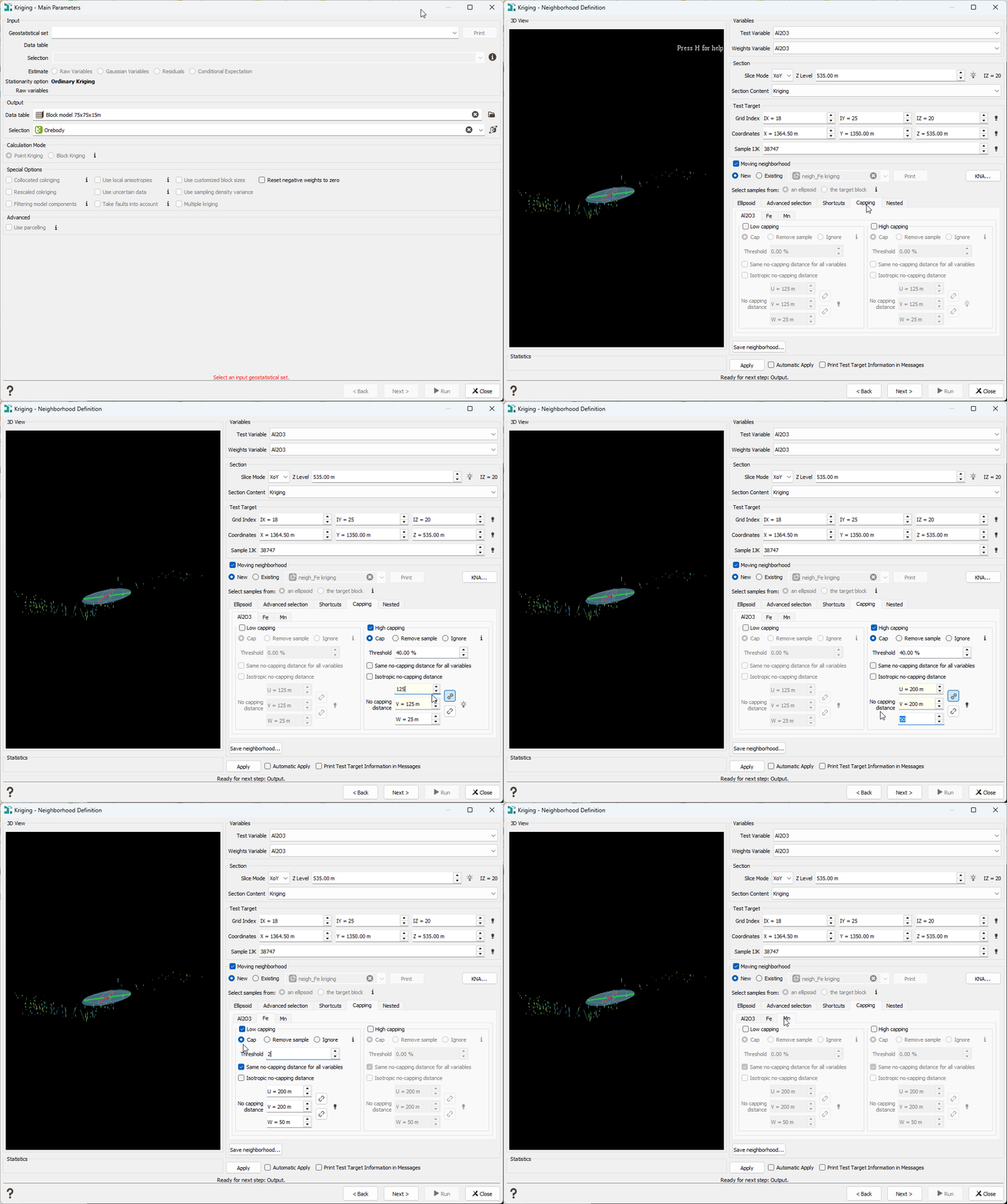
Estimation workflows gain robustness with multi-variable capping within a single neighborhood, while Plurigaussian Simulations now offer simple kriging conditioning under strict stationarity, adding flexibility without compromising geostatistical rigor.
See more, instantly, in 3D
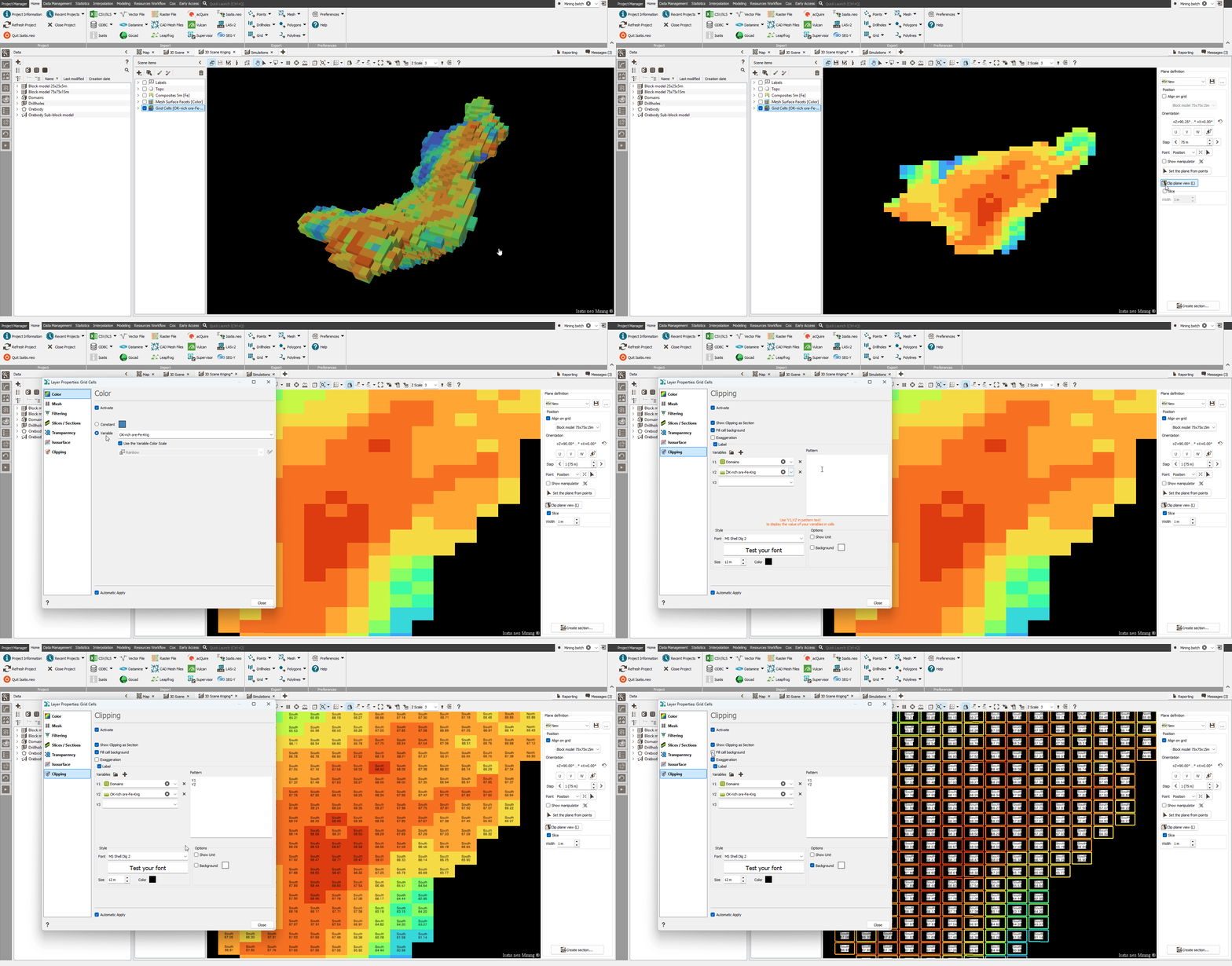
Interpreting results is now faster and more intuitive. You can display variable values directly inside 3D grid cells in both the 3D Viewer and Section Viewer. With customizable labels and layouts, this feature tightly links numbers and geometry, making analysis and communication clearer at a glance.
Unlock the full power of Python
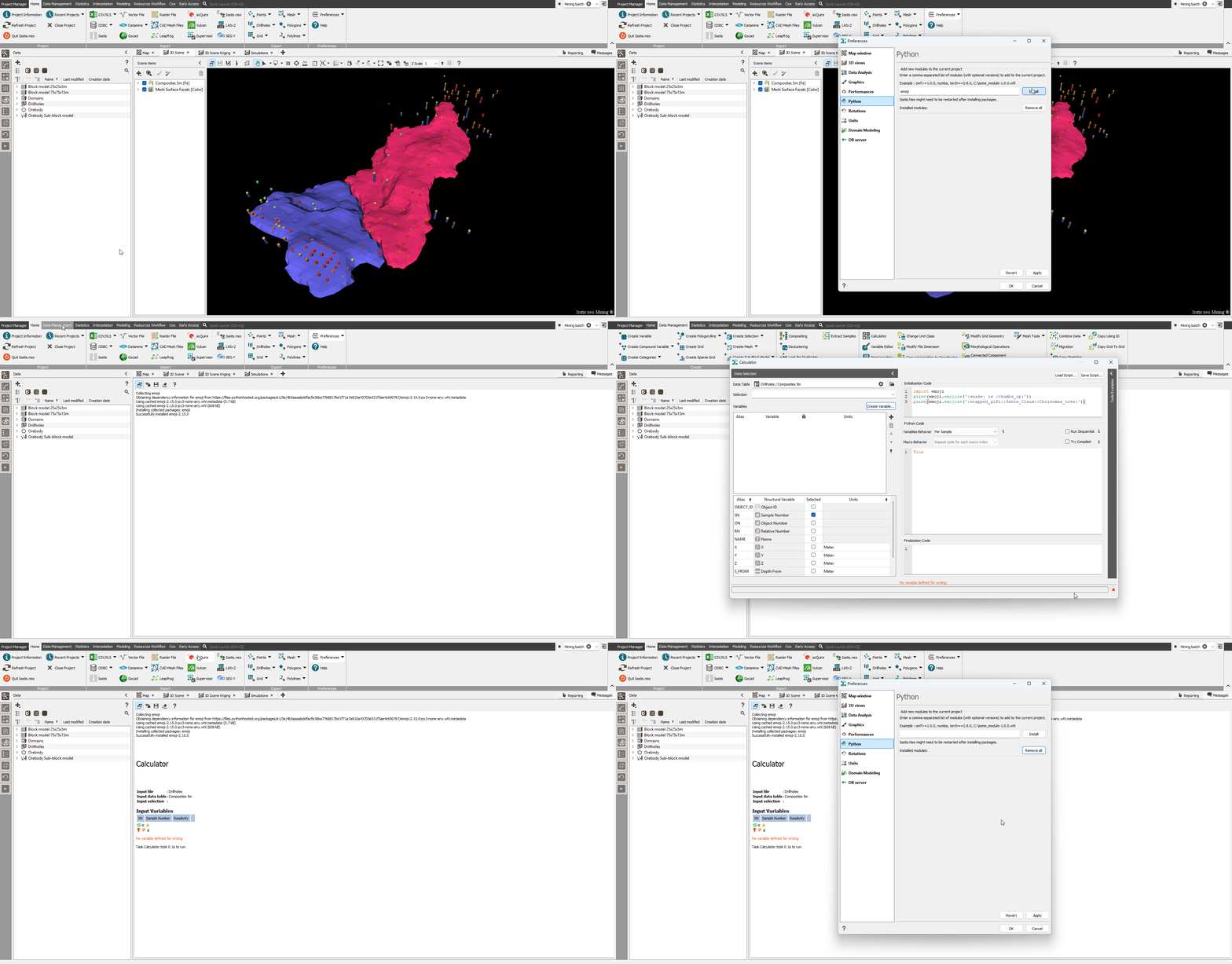
Isatis.neo now gives you complete freedom with Python. You can add and use any Python library directly within your projects, no longer limited to the modules shipped with the installer. A new dedicated Python Preferences tab lets you extend your environment on demand, making your libraries instantly available in scripts, calculators, and batch workflows. The result: greater flexibility, deeper integration, and seamless access to the entire Python ecosystem.
Early-access menu
The Early Access menu provides access to functionalities that are not optimized. It enables advanced users to test these features and provide feedback to inform the latest developments.
No new task in this category.
Ready to upgrade?
Explore these new features and much more in the latest version of Isatis.neo.
Download Isatis.neo v2025.3 Release Notes for the complete list of improvements
From the Geovariances download page →
From Datamine Support Portal →